



In modern society,ChemicalsChemicals have become an integral part of our lives. However, many chemicals may pose a threat to humans and the environment due to their potential hazards. Therefore, all countries have very strict management and control of chemicals, especially the European Union, whose REACH regulations have set a new benchmark for global chemical management.
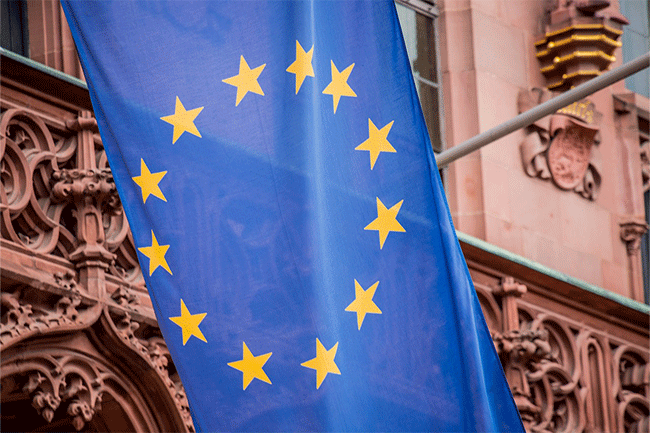
The EUs REACH regulation is a set of regulations on the registration, evaluation, authorization and restriction of chemicals, which came into effect on June 1, 2007. According to the regulation, any unregistered chemical cannot be manufactured, imported or sold in the EU.
2. Which chemicals need to be registered?
(1) Chemical substances placed on the EU market in quantities exceeding 1 tonne per year;
(2) Chemical components in products placed on the EU market in quantities exceeding 1 tonne per year;
(3) Chemical substances that are intentionally released from articles under normal or reasonably foreseeable conditions of use and the total amount exceeds 1 ton per year. For example, air fresheners.
3. Through which entities is the registration carried out?
The EU only recognizes three types of registration entities:
(1) Manufacturers in the EU;
(2) Importers in the EU;
(3) Non-EU manufacturers must register through an Only Representative (OR) within the EU.
4. Specific registration operations
For domestic exporters, there are usually three ways to register:
(1) Establishing and registering a branch in the EU;
(2) entrust a legal person or natural person within the EU to carry out the registration;
(3) Entrust a domestic agency that has a branch in the EU.
The costs and procedures of these three methods have their own advantages and disadvantages, and companies need to choose the appropriate method based on their own circumstances.
5. Further obligations after registration
Even if successfully registered, certain specific chemicals still need to continue to comply with other obligations such as evaluation, notification/authorization, and restrictions. ECHA and EU member states will conduct compliance assessments to ensure that the hazards and risks of registered substances are within controllable ranges. If the risks cannot be controlled, the relevant authorities may choose to ban or restrict their use.

 Follow the customer service WeChat account.


